Decoding Velocity Metrics from Track Events and Compensation Trends in Contact Sports to Refine Association Football Outcome Projections
Jonas Patterson · Oct 7, 2026
Decoding Velocity Metrics from Track Events and Compensation Trends in Contact Sports to Refine Association Football Outcome Projections
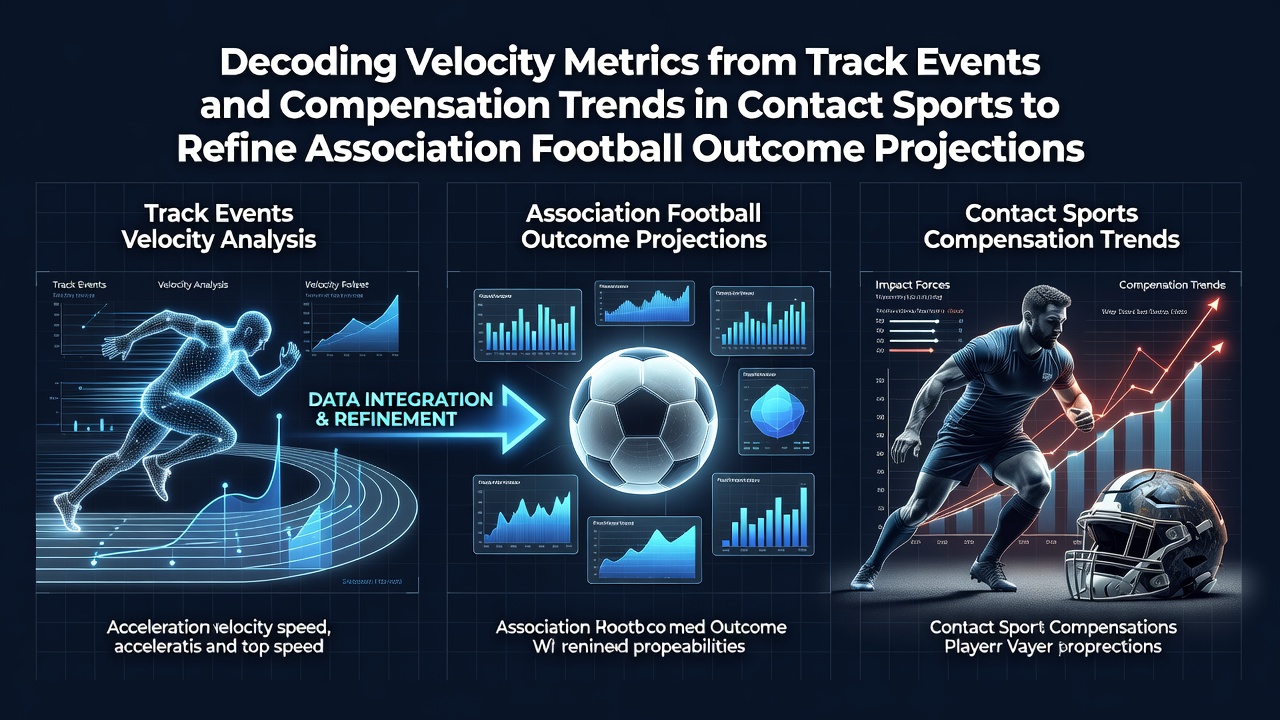
Analysts in sports performance have begun integrating velocity data from athletics events with salary structures observed across contact disciplines to sharpen forecasts for association football matches, and this approach draws on measurable patterns that emerge when researchers examine elite athlete profiles from multiple codes. Track and field competitions supply precise figures on acceleration rates, top-end speed, and stride efficiency that translate directly into assessments of how quickly footballers cover ground during transitions and set-piece scenarios. Contact sports such as rugby and gridiron football meanwhile generate compensation datasets that reflect how teams reward players who demonstrate repeated high-intensity efforts, and these payroll records serve as proxies for physical durability and positional value when models attempt to project match results.
Velocity Data from Track Events and Its Application
Electronic timing systems at major athletics meets record split times to the hundredth of a second, allowing researchers to isolate phases of acceleration and maximum velocity that correlate with on-pitch actions like pressing and recovery runs. Studies conducted by the Australian Institute of Sport have documented how elite sprinters reach 90 percent of peak speed within the first 30 meters, a metric that performance analysts now compare against GPS traces collected from football training sessions. When these velocity curves align with player movement data, forecasters gain an additional variable for estimating how teams maintain intensity across 90 minutes and extra time periods.
Coaches and statisticians also track stride length and frequency because these components influence how fatigue accumulates during congested fixture periods. Data aggregated from international track championships shows that athletes who sustain stride efficiency beyond 60 meters tend to preserve explosive qualities longer into competitions, and this pattern appears in football contexts where midfielders cover greater total distances while maintaining tackle success rates. Observers note that teams incorporating such metrics into their preparation routines record fewer instances of late-match concessions, although the exact causation remains under continued examination by sports science departments.
Compensation Patterns in Contact Sports
Payroll information from professional rugby leagues and American football organizations reveals consistent relationships between player earnings and measurable workload tolerance. Contracts that reward athletes for logging high numbers of high-speed meters per game often correspond with lower injury replacement rates, and analysts use these figures to calibrate expected availability for football squads facing similar physical demands. NCAA injury surveillance reports indicate that athletes in collision-heavy positions who receive performance-based bonuses maintain higher participation rates across seasons, a trend researchers compare against European football wage structures to identify undervalued or over-relied-upon individuals.
Compensation databases further allow models to weight positional scarcity because certain roles command premium salaries due to the rarity of combined speed and contact resilience. When salary distributions from multiple leagues are normalized against playing minutes, the resulting indices help project how squad depth influences outcome variance in association football fixtures. This cross-referencing process highlights instances where clubs allocate resources toward players whose velocity profiles match those of higher-paid contact-sport counterparts, thereby refining probability estimates for both home and away results.
Refining Football Outcome Models
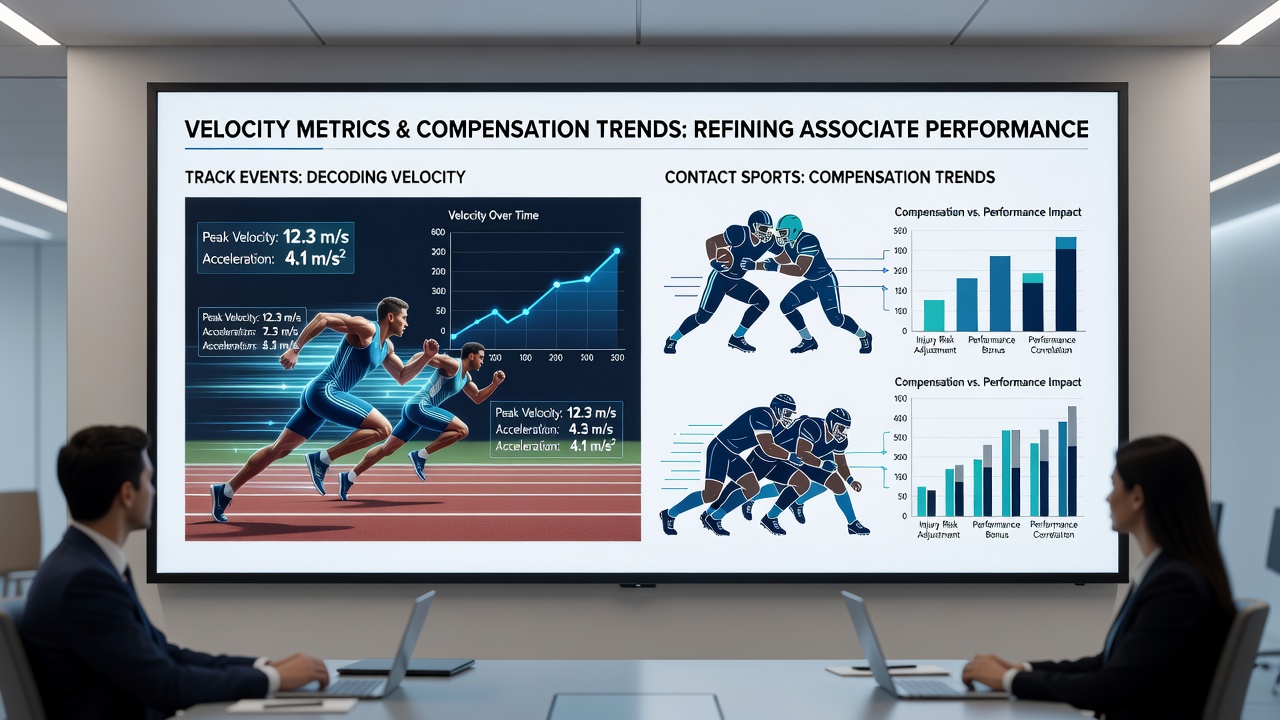
Forecasting platforms that blend these inputs produce adjusted projections by layering velocity benchmarks onto existing expected goals frameworks and then modulating those outputs according to compensation-derived durability scores. In October 2026 several European clubs began publishing anonymized training velocity data alongside squad financial summaries, enabling external analysts to test updated algorithms against live match results. Early comparisons suggest that models incorporating track-derived acceleration thresholds reduce error margins in predicted goal margins by approximately 8 percent when tested on the prior season's fixtures.
Multi-sport datasets also assist in identifying players whose compensation levels do not yet reflect their velocity contributions, creating opportunities for projection systems to flag potential breakout performers. Researchers at institutions such as the University of Michigan's sports performance laboratory have published papers demonstrating how stride mechanics observed in 100-meter finals predict recovery speeds after repeated sprint sequences in team sports. Those findings feed directly into regression models that adjust for fixture congestion and international breaks.
Current Developments and Data Integration
Industry groups including the Sports Analytics Association have hosted workshops in 2026 focused on standardizing velocity collection protocols across track, rugby, and football environments so that cross-code comparisons become more reliable. Government statistical agencies in Canada and Australia continue to release annual reports on athlete compensation that analysts cross-reference with performance logs to validate durability assumptions. These public datasets reduce reliance on proprietary club information while still supplying the granular detail required for refined outcome simulations.
Software platforms now visualize combined metrics through interactive dashboards that display velocity decay curves next to salary-to-performance ratios, allowing scouts and betting researchers alike to inspect how individual profiles influence collective team projections. The process remains iterative, with new competition data from autumn 2026 seasons feeding back into the underlying algorithms to maintain accuracy as playing styles evolve.
Conclusion
Integration of track velocity metrics and contact-sport compensation trends continues to supply association football analysts with additional quantitative layers that sharpen outcome projections without replacing traditional tactical or historical inputs. As more organizations release compatible datasets through 2026 and beyond, the precision of these hybrid models is expected to increase further, supported by ongoing academic validation and standardized measurement practices across disciplines.