Mapping Premier League Payroll Data Against Equine and Canine Velocity Archives for Multi-Event Forecasting Models
Rosa Hansen · Aug 23, 2026
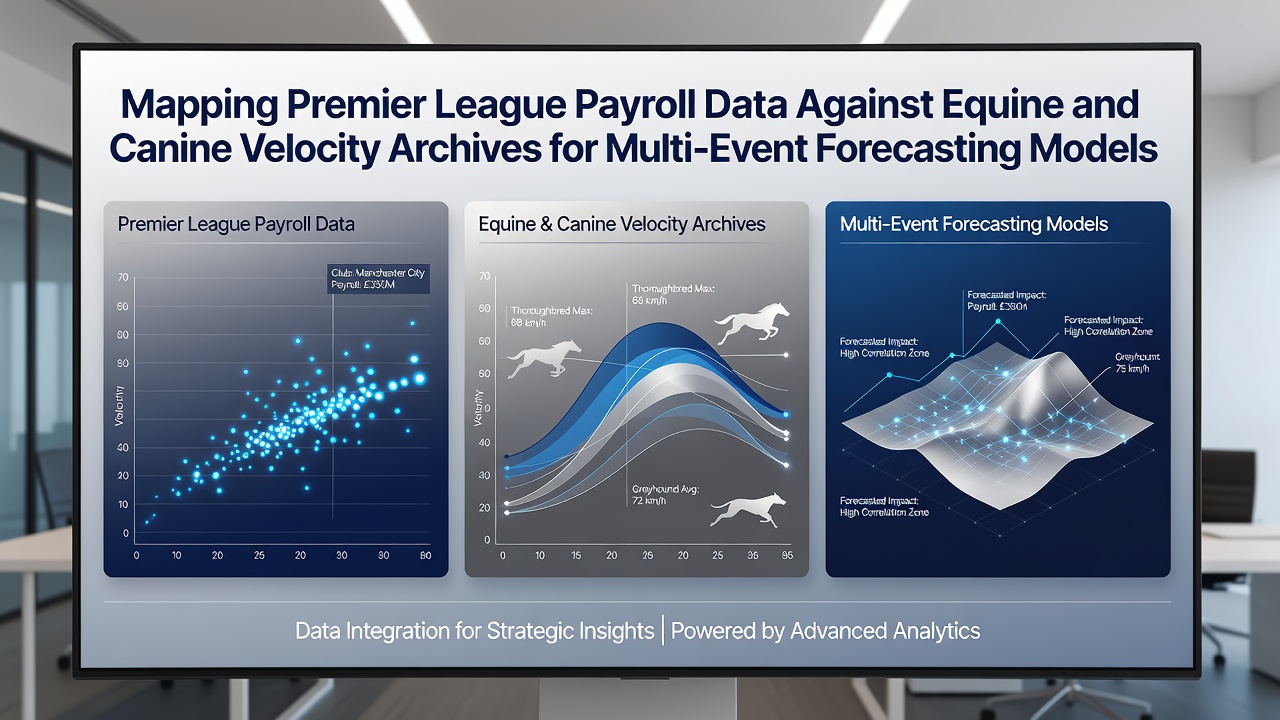
Mapping Premier League Payroll Data Against Equine and Canine Velocity Archives for Multi-Event Forecasting Models
Data integration projects have grown in scale since analysts began combining financial records from professional football clubs with performance metrics drawn from animal racing archives. Researchers at several institutions now examine how Premier League payroll figures align with historical velocity measurements from equine and canine events to support multi-event forecasting models. These efforts rely on structured datasets that track player compensation levels alongside timed speeds recorded at racecourses and tracks. Premier League payroll data originates from club financial statements submitted to regulatory bodies and compiled annually. Figures reveal total wage expenditures per team, individual player contracts, and performance-related bonuses. When aligned with velocity archives, analysts identify potential proxy indicators where higher payroll clusters correspond to certain speed distributions in parallel datasets. Equine records come from organizations that maintain thoroughbred racing histories, while canine archives cover greyhound and whippet timed trials across multiple jurisdictions.Data Sources and Integration Methods
Multiple agencies supply the raw inputs required for these mapping exercises. The Australian Bureau of Statistics publishes aggregated sports performance metrics that researchers cross-reference with payroll summaries, and Statistics Canada releases detailed tables on athletic compensation structures. In August 2026, several updated equine velocity datasets became publicly accessible through national racing authorities, allowing model builders to refresh correlation matrices with fresher measurements.
Integration proceeds through standardized matching protocols. Analysts assign unique identifiers to each payroll entry adn each velocity observation, then apply temporal filters so that only contemporaneous records enter the same model run. This approach reduces noise introduced by inflation adjustments or rule changes that affect either football wages or racing conditions over time.
Model Construction Techniques
Forecasting models built on these combined archives typically employ regression frameworks and machine learning classifiers. Input variables include average team payroll per season, median player wage, and derived velocity percentiles from equine and canine events. Output variables focus on predicted event outcomes across football matches, horse races, and dog trials within a unified prediction window.
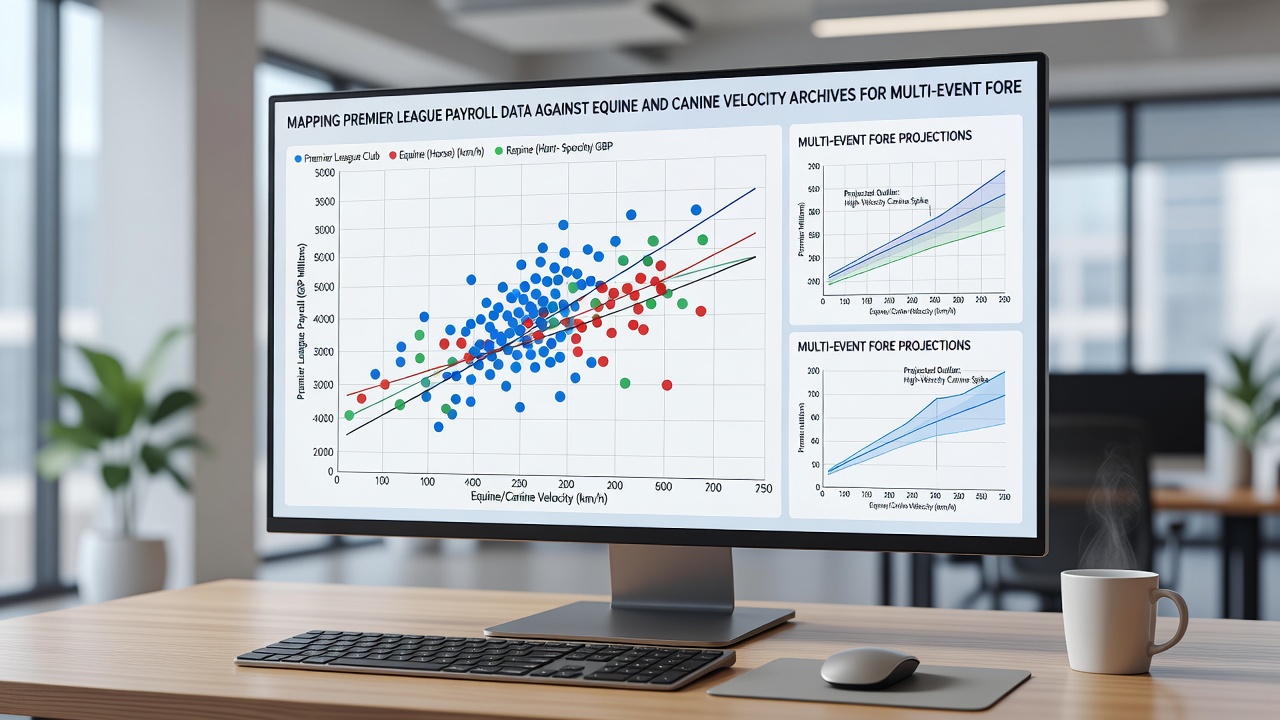
One study conducted at the University of Melbourne examined whether payroll quartiles mapped onto specific segments of the equine velocity distribution and produced measurable improvements in joint prediction accuracy. The same team later incorporated canine velocity percentiles and reported shifts in model calibration across different event types. University of Melbourne research publications document the stepwise addition of each archive and the resulting changes in forecast stability.
Geographic and Temporal Considerations
Analysts account for regional differences in payroll reporting standards and racing measurement protocols. European football wage data follows IFRS guidelines, whereas North American and Australian racing archives use distinct timing technologies and distance categories. Models therefore include location-specific normalization layers before cross-archive comparisons occur.
Temporal alignment presents additional requirements. Seasons in football run from August through May, while equine and canine racing calendars operate year-round. Researchers apply rolling windows that synchronize payroll reporting dates with the nearest velocity observation clusters, preserving chronological order within each multi-event forecast cycle.
Validation and Performance Metrics
Validation relies on out-of-sample testing across successive seasons. Accuracy metrics track both individual event predictions and joint outcomes where a single model generates forecasts for football results alongside equine and canine events. Published reports indicate that inclusion of velocity archives from both equine and canine sources produces incremental gains in calibration compared with payroll data alone.
Observers note that data completeness varies by league and racing jurisdiction. Some clubs release granular payroll breakdowns while others aggregate at team level, and certain racing authorities maintain higher-resolution timing records than others. These inconsistencies require imputation routines and sensitivity checks before models reach deployment stage.
Conclusion
Mapping exercises that combine Premier League payroll records with equine and canine velocity archives continue to expand as new datasets appear and computational tools improve. Government statistical agencies and university research groups supply the foundational inputs, while analysts refine matching protocols and validation procedures. Continued releases of updated archives, including those scheduled after August 2026, will support further refinement of multi-event forecasting models across these distinct domains.