Tracing Correlations Between UFC Fighter Payouts, Tennis Match Statistics, and Greyhound Performance Histories in Modern Wagering Systems
Rosa Hansen · Aug 20, 2026
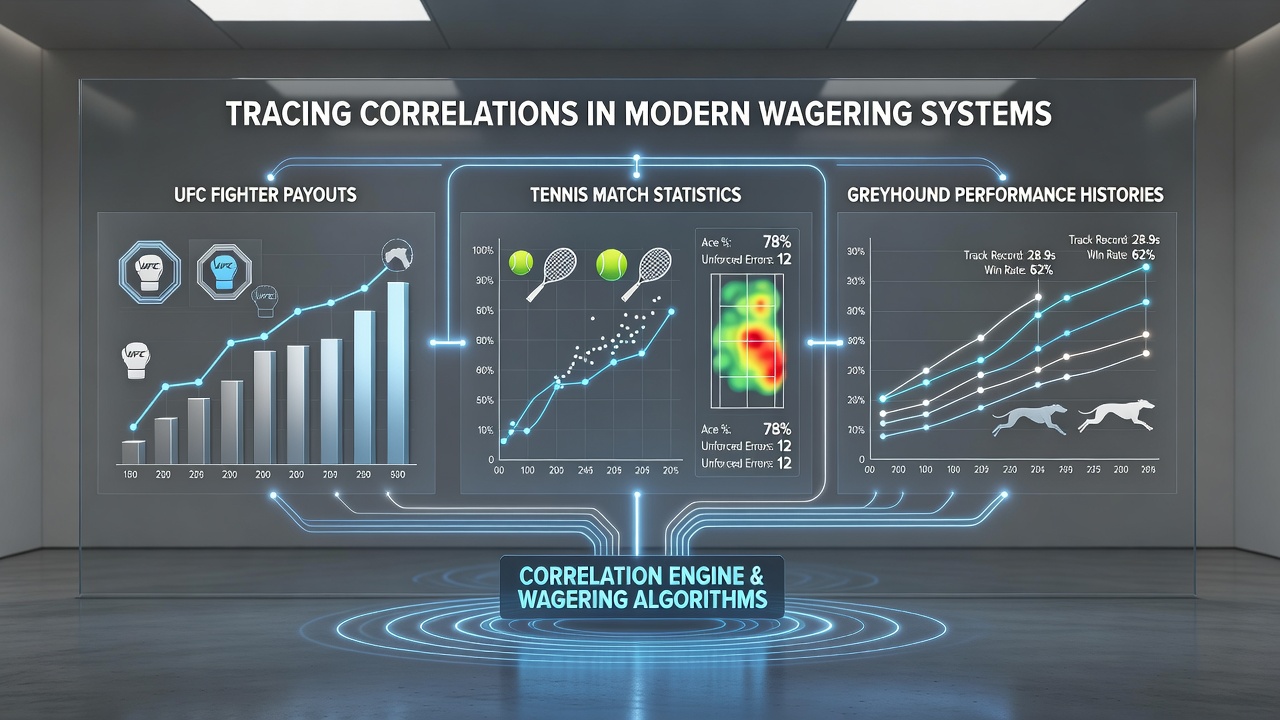
Tracing Correlations Between UFC Fighter Payouts, Tennis Match Statistics, and Greyhound Performance Histories in Modern Wagering Systems
Modern wagering systems now integrate data streams from mixed martial arts, racket sports, and canine racing to identify statistical relationships that shape betting models, and analysts track fighter compensation figures alongside tennis performance metrics while incorporating greyhound historical records to refine predictive algorithms. Research from the Nevada Gaming Control Board reveals how payout structures in UFC events influence betting volumes, whereas studies on tennis match data show serve percentages and rally durations correlating with wager placements in real time.
UFC Fighter Payouts and Their Role in Betting Patterns
Compensation data for UFC fighters, including base pay and performance bonuses, enters wagering databases where operators monitor fluctuations across fight cards; these figures often align with shifts in betting odds as larger payouts signal higher-profile matchups that attract increased volume. Observers note that when a fighter's disclosed earnings exceed typical thresholds, platforms adjust risk parameters because historical trends indicate heavier action on those bouts, and data collected through 2025 demonstrates consistent links between compensation announcements and subsequent market movements.
Tennis Match Statistics in Analytical Frameworks
Tennis analytics feed into the same systems through detailed logs of ace rates, break point conversions, and surface-specific win percentages, while operators combine these with UFC payout information to build multi-sport correlation matrices. A report issued by the Australian Gambling Research Centre in mid-2025 highlighted how first-serve accuracy metrics from Grand Slam events align with betting activity spikes, particularly when cross-referenced against combat sports compensation trends that suggest broader market sentiment. Those processing the datasets find that match duration statistics frequently predict wager timing, especially in live betting environments where rapid updates occur.
Greyhound Performance Histories and Integration Methods
Greyhound racing records, encompassing split times, trap positions, and track-specific finishing speeds, contribute longitudinal data that wagering platforms merge with the UFC and tennis inputs to create layered risk assessments. Performance histories dating back several seasons allow models to detect recurring patterns, such as dogs showing improved results after rest periods, and these insights combine with human athlete compensation details to balance portfolios across event types. Figures from Canadian provincial gaming authorities indicate that greyhound datasets improve overall model accuracy when included alongside racket sport statistics, since the independent variables reduce reliance on any single category.
Correlation Analysis in Contemporary Platforms
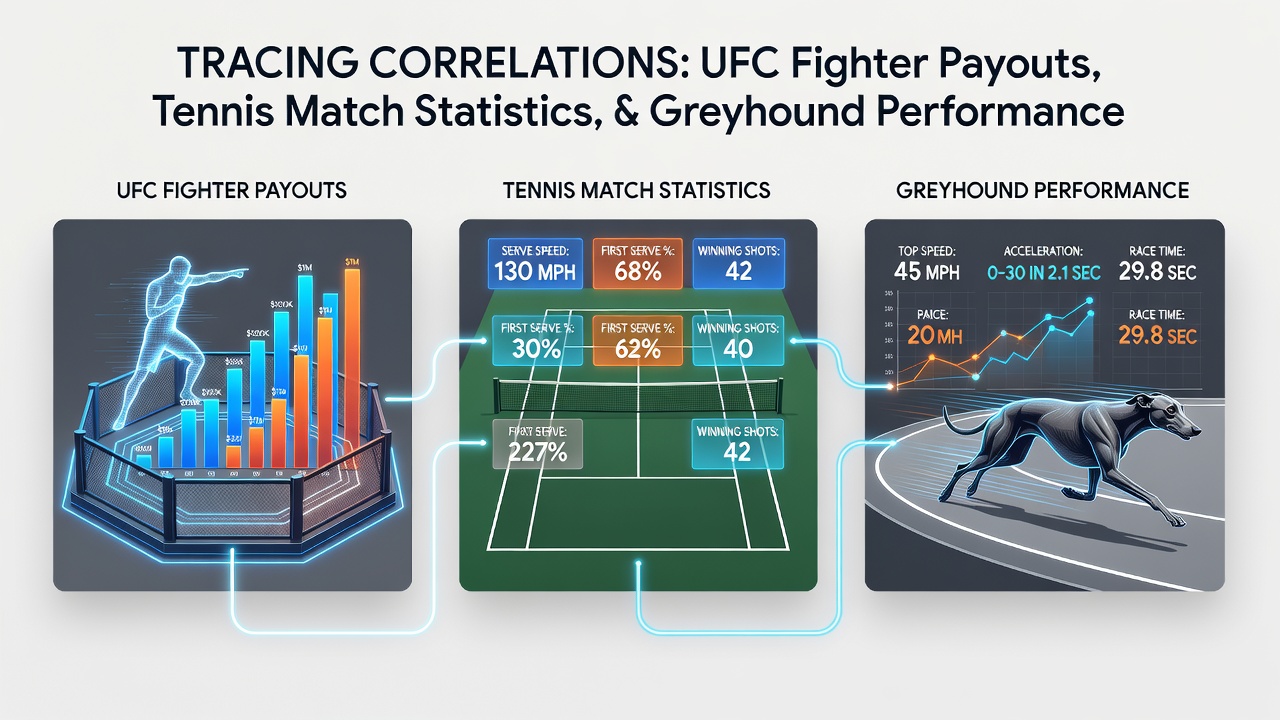
Platforms operating in August 2026 continue to refine algorithms that measure covariance between these three domains, and software tools calculate how UFC payout changes may indirectly affect tennis betting liquidity through shared user bases. Researchers at the University of Nevada, Las Vegas have documented instances where greyhound speed records from Australian tracks correlate with adjustments in combat sports odds, because bettors often diversify across categories during major events. The resulting matrices reveal modest yet measurable relationships, such as elevated fighter earnings coinciding with shifts in tennis set-win probabilities that influence greyhound race pool distributions.
Operators apply these findings through machine learning layers that update continuously, and the process incorporates regulatory oversight from multiple jurisdictions to maintain compliance while processing the combined datasets. Evidence from European gaming associations shows that diversified inputs across sports and racing reduce variance in projected outcomes compared to single-category models, although the degree of correlation varies by market and event timing.
Conclusion
Integration of UFC fighter payouts, tennis match statistics, and greyhound performance histories now forms a standard component of advanced wagering infrastructure, with ongoing data collection supporting incremental refinements to predictive accuracy. Regulatory bodies and academic institutions continue to examine these intersections through structured reports that track statistical relationships across regions and event calendars.